What Octane Actually Means
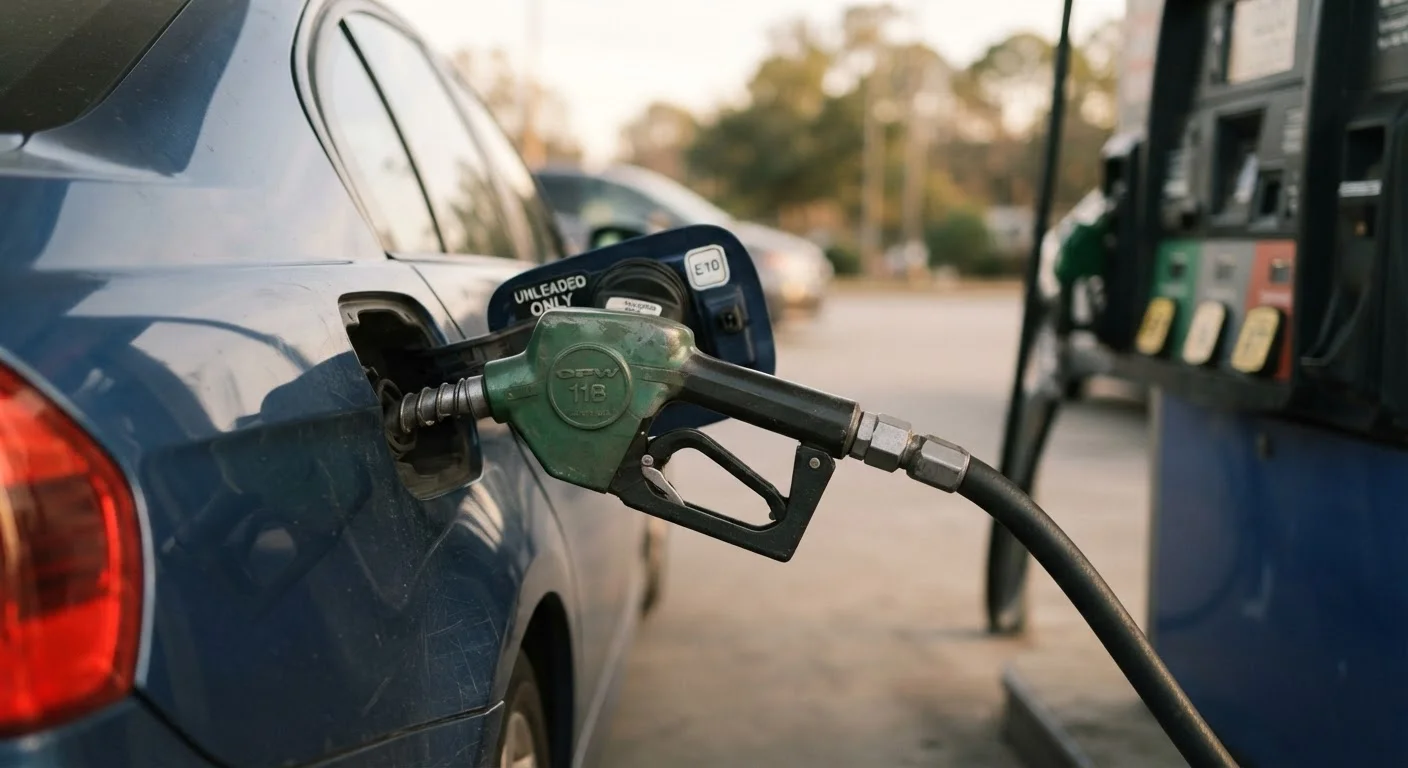
Walk into any gas station and you'll see three grades at the pump: regular (87), mid-grade (89), and premium (91-93). The numbers refer to the fuel's octane rating - a measure of how resistant the fuel is to pre-ignition, or "knock." Knock happens when the air-fuel mixture in the cylinder ignites before the spark plug fires, causing a rattling sound and, over time, engine damage.
Higher octane does not mean more energy, more power, or cleaner combustion by default. It simply means the fuel is harder to ignite prematurely under pressure. Engines with high-compression ratios - common in turbocharged or performance-oriented vehicles - generate enough cylinder pressure to cause knock with regular fuel. Those engines need premium to function correctly. Most everyday commuter engines do not.
~70%
New vehicles that run on regular 87-octane fuel
According to the U.S. Energy Information Administration, the large majority of passenger vehicles sold in the US are designed for regular-grade gasoline.
$0.20-$0.60
Typical price premium per gallon over regular
The per-gallon price gap between regular and premium gasoline fluctuates by region and season but consistently represents a meaningful added cost for drivers who don't need it.
The Myths, Corrected
Premium fuel marketing is sophisticated, and it has convinced a lot of drivers to pay 20-50 cents more per gallon for no real benefit. Here's where the common beliefs break down.
Myth
Premium fuel gives my engine more power, even if the manual says regular is fine.
Fact
For engines designed around regular fuel, premium produces no measurable power gain under normal driving conditions.
Engine output is determined by compression ratio, displacement, and calibration - not fuel grade alone. A regular-tuned engine cannot extract additional energy from premium fuel because its ignition timing and compression aren't set up to take advantage of it. Dynamometer tests on non-premium-required engines consistently show no statistically significant power difference between regular and premium fuel in real-world driving.
Myth
Premium gas keeps my engine cleaner and helps it last longer.
Fact
Detergent additives - not octane level - are responsible for keeping fuel injectors and intake valves clean.
The EPA requires a minimum level of detergent additives in all grades of gasoline sold in the US. Some brands voluntarily exceed that standard across all their grades, not just premium. If fuel system cleanliness is a concern, look for what the industry calls "Top Tier" certified fuel - a voluntary standard applied regardless of octane grade - rather than defaulting to premium.
Myth
My older, high-mileage engine needs premium to protect against wear.
Fact
Fuel grade does not compensate for engine wear, and older engines are often less sensitive to octane, not more.
As engines age, carbon deposits can raise the effective compression ratio slightly, which in rare cases increases knock sensitivity. However, this doesn't automatically mean premium is the fix - it may mean the engine needs a carbon cleaning service. For most high-mileage vehicles, using the grade specified in the original owner's manual remains the right call. If you're weighing the full picture of high-mileage ownership, understanding what high-mileage vehicles actually involve is a useful starting point.
Myth
If I hear knocking, switching to premium will fix it.
Fact
Persistent knock in a vehicle designed for regular fuel usually signals a mechanical or maintenance issue, not a fuel grade problem.
Modern vehicles have knock sensors that detect pre-ignition and automatically retard ignition timing to compensate. If you're hearing audible knock despite the sensor system, that warrants a mechanic's diagnosis - possibilities include carbon buildup, a failing sensor, incorrect spark plugs, or ignition timing problems. Pouring in premium is not a substitute for addressing an underlying mechanical cause.
Myth
Mixing regular and premium gives you a useful "mid-grade" equivalent.
Fact
Blending fuels produces a mixed octane rating, but there's no harm in doing so - it just doesn't offer special benefits.
Mixing, say, half a tank of 87 and half of 91 produces roughly an 89-octane blend. This is fine mechanically and is essentially what mid-grade fuel is. But unless your vehicle genuinely requires a mid-grade octane level - which almost none do - you're still paying more than necessary for half the tank. The ECU will manage whatever you put in within a reasonable octane range.
For more examples of automotive misconceptions that quietly drain your wallet, see common driving myths corrected with facts.
How to Know What Your Car Actually Needs
The clearest answer is in your owner's manual. Manufacturers use two distinct phrases that mean very different things:
- "Premium fuel required" - The engine is calibrated for high-octane fuel. Using regular may reduce performance, cause knock, and could affect long-term engine health.
- "Premium fuel recommended" - The engine is designed to run on regular but may produce slightly more peak power on premium. In practice, most drivers never notice the difference.
If your manual says "recommended" rather than "required," you're almost certainly fine with regular. The engine control unit (ECU) - the computer managing your engine - will adjust ignition timing to compensate. You might lose a marginal amount of maximum horsepower under hard acceleration, but in normal driving conditions, the difference is imperceptible.
Keeping up with legitimate maintenance matters far more than fuel grade. Skipping oil changes, for example, causes measurable engine damage that no fuel grade can offset.
"Required" and "Recommended" Are Not the Same
If your owner's manual says premium is required, don't skip it - sustained use of lower-octane fuel in a high-compression engine can cause knock damage over time. But if the manual says premium is merely recommended, regular fuel is safe and appropriate for everyday use. Check the manual before spending more at the pump.
The Real Cost of the Myth
If a driver fills a 15-gallon tank with premium instead of regular once a week at a $0.30 per gallon premium, that's roughly $234 extra per year - with zero mechanical benefit for most vehicles. Over five years, that's well over $1,000 spent on marketing rather than engineering.
Fuel-related myths aren't the only ones costing drivers money. Auto insurance myths work the same way - assumptions that feel logical but lead to unnecessarily higher costs. A little factual grounding in both areas goes a long way.
The bottom line: trust your owner's manual over the pump label. If your car requires regular, use regular. If it requires premium, use premium. Don't let vague promises of "top-tier performance" override straightforward engineering guidance.