
What the Skin Barrier Actually Does
Think of your skin barrier as a carefully constructed wall. The 'bricks' are dead skin cells, and the 'mortar' holding them together is a mixture of lipids - mainly ceramides, cholesterol, and free fatty acids. Together, they perform two essential jobs: keeping water inside the skin, and keeping harmful things outside.
Without a functioning barrier, skin loses water rapidly - a process called transepidermal water loss (TEWL). The result is skin that looks dull, feels tight, and is far more reactive to environmental stressors. A healthy barrier also keeps bacteria, allergens, and pollutants from penetrating deeper layers where they can trigger inflammation.
Understanding this dual function - retention and protection - explains why so much of good skincare comes down to not disrupting what the skin already does well. Your routine should work with the barrier, not against it.
Barrier Health Varies by Skin Type
People with naturally dry or eczema-prone skin tend to have a genetically thinner or lipid-deficient barrier, making them more vulnerable to disruption. Those with oily skin may have a more resilient barrier in some respects, but are not immune to damage from over-cleansing or harsh actives. Barrier care is relevant to every skin type - the specific products and frequency simply vary.
What Damages the Skin Barrier
Barrier damage rarely happens all at once. It tends to accumulate through repeated, well-intentioned habits that quietly erode the lipid matrix over time. The most common culprits include:
- Over-cleansing or using harsh cleansers: Surfactants that strip oil aren't selective - they remove protective lipids along with dirt and sebum.
- Excessive exfoliation: Acids and physical scrubs accelerate cell turnover, but used too often they thin the barrier before it has time to rebuild. This is explored further in our look at routine habits that backfire.
- UV exposure: Ultraviolet radiation degrades the skin's lipid structure and generates inflammation that directly impairs barrier integrity.
- Hot water and long showers: Heat dissolves the lipid mortar between skin cells, making moisture loss much easier.
- Low humidity environments: Dry air draws moisture out of skin when the barrier isn't strong enough to resist it.
- Fragrance and alcohol-based products: These can trigger sensitization and inflammation even in people who don't consider themselves sensitive-skinned.
Recognizing these triggers is the first step to making smarter choices - not just about which products to use, but how often and in what combinations.
Signs Your Barrier May Be Compromised
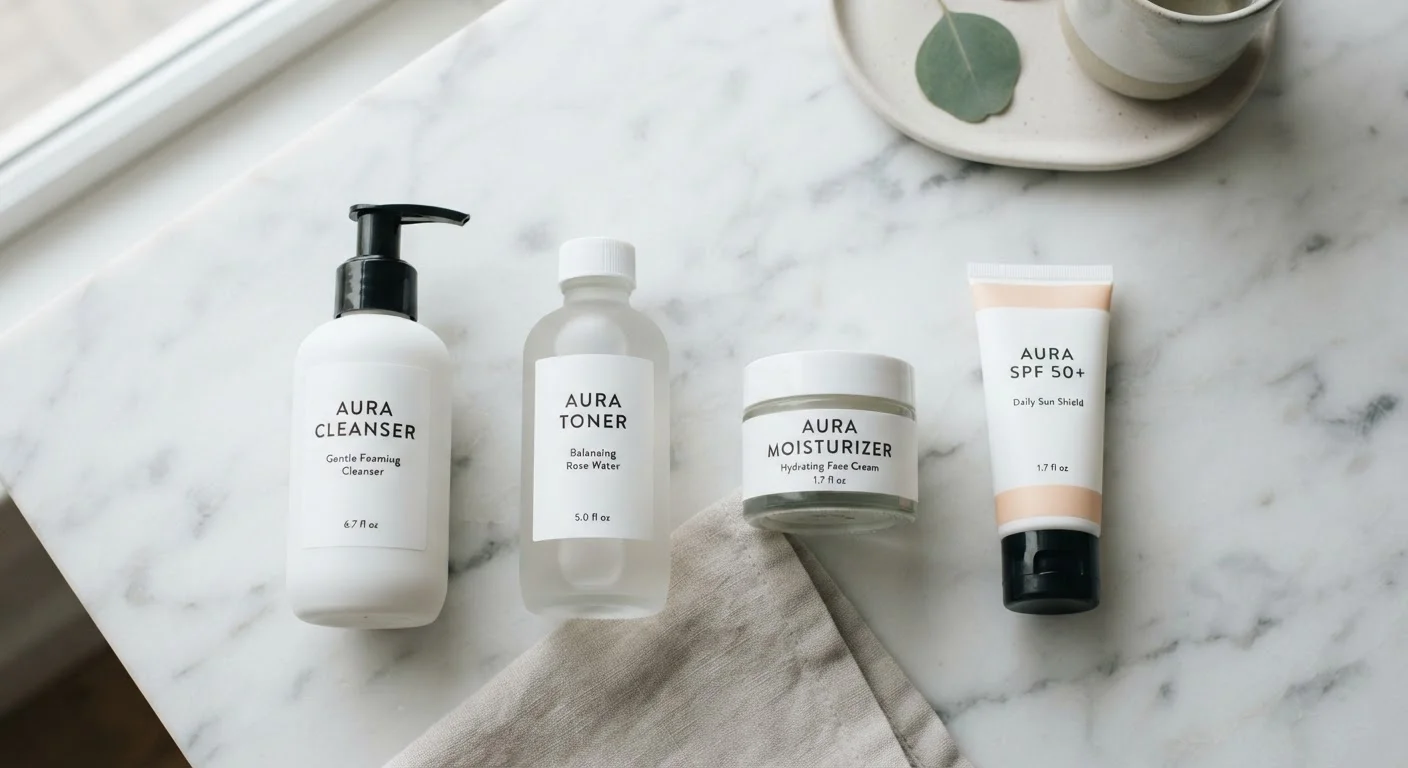
Watch for persistent tightness, stinging or burning from products that were previously fine, new breakouts in unusual locations, or skin that looks dull and feels rough. These are not always signs you need more products - often they signal you need fewer, gentler ones. Paring back your routine to just a gentle cleanser, a barrier-supporting moisturizer, and SPF is a good reset strategy.
Ingredients That Support Barrier Health
A barrier-supportive routine focuses on replenishing what daily life depletes. Several ingredient categories have meaningful evidence behind them:
- Ceramides
- These lipids are native to the skin barrier itself. Applying them topically helps restore the mortar structure between cells and reduce TEWL.
- Fatty acids and cholesterol
- Working alongside ceramides, these lipids complete the barrier's structural matrix. Formulas that combine all three are generally considered more effective than any single component alone.
- Glycerin and hyaluronic acid
- These humectants draw water into the skin and help it stay there, supporting the barrier's moisture-retention function.
- Niacinamide (vitamin B3)
- Well-studied for its ability to increase ceramide production and reduce inflammation - useful for both maintaining and restoring barrier function.
- Petrolatum and shea butter
- Occlusive ingredients that form a physical layer over skin to slow water loss, particularly helpful on already-compromised skin.
For a practical look at how these fit into a full routine, see our breakdown of what each skincare step actually does.
~50%
Of skin lipids are ceramides
Research on skin composition shows ceramides make up roughly half of the lipid content in the stratum corneum, underscoring their importance in barrier formulations.
30-40%
Increase in TEWL with barrier disruption
Studies in dermatology journals have documented significant rises in transepidermal water loss when the stratum corneum is compromised, even before visible symptoms appear.
2-4 weeks
Typical barrier recovery timeline
Dermatology research suggests mild-to-moderate barrier damage can repair itself within this window when irritants are removed and appropriate moisturizers are used consistently.
Building a Routine That Protects Your Barrier
Barrier protection isn't about adding more steps - it's about making smarter decisions at each step you already take. A few guiding principles apply regardless of skin type:
- Cleanse gently, once at night: A low-pH, surfactant-free or mild foaming cleanser removes the day's buildup without stripping lipids. Morning rinsing with water is sufficient for most people.
- Moisturize while skin is still damp: Applying moisturizer within a minute of cleansing traps residual water and amplifies the humectant effect.
- Apply SPF daily: Sunscreen prevents the UV-driven degradation that silently damages the barrier over years. It's a non-negotiable step - learn why SPF matters year-round.
- Introduce actives slowly: Retinoids, AHAs, and BHAs are valuable, but frequency matters. Starting low and building up gives the barrier time to adapt.
- Match your routine to your skin type: Barrier needs differ between dry, oily, and combination skin. Our guide on how skin type shapes your routine can help you tailor your approach.
If you're unsure whether your barrier is compromised, a dermatologist can assess your skin and recommend a targeted approach. This article provides general educational information and is not a substitute for professional skincare advice.
This article is for informational purposes only and does not constitute medical or dermatological advice. Consult a qualified healthcare professional for concerns about your skin health.