How Temperature Affects What's Inside a Battery
A standard car battery works by converting chemical energy into electrical energy. That conversion depends on a precise balance of electrolyte fluid and lead plates working together. Temperature is the single biggest variable that disrupts that balance.
At moderate temperatures - roughly 60°F to 80°F - a battery operates close to its rated capacity. Push the temperature toward either extreme, and the chemistry starts working against you.
Engine Bay Temperatures Run Hot
Outside air temperature doesn't tell the whole story. Engine compartments can reach significantly higher temperatures than the ambient air, especially when a car has been running and then sits in direct sunlight. A battery in a car parked outdoors in summer is under more stress than the thermometer reading suggests.
In very hot weather, the electrolyte inside a battery can begin to evaporate. Once fluid drops below the lead plates, those plates corrode and the damage is permanent. Batteries in hot climates are often working with less capacity than their label suggests long before they show obvious symptoms.
What Heat Does to a Battery Over Time
Heat is the slow killer. Sustained exposure to high temperatures - common in the engine bay of a car sitting in the sun - speeds up the internal chemical reactions in ways that degrade the battery's structure. Corrosion builds up. Fluid evaporates. Grid plates warp.
The result is a battery that loses capacity gradually and silently. You might not notice anything wrong until one cold morning when it simply doesn't have enough power to start the engine.
~50%
Battery capacity lost at 0°F (-18°C)
Lead-acid battery capacity drops significantly in freezing temperatures compared to rated performance at 80°F, according to battery industry testing standards.
2-3 years
Typical battery lifespan in hot climates
Drivers in consistently hot regions often see batteries fail well short of the four-to-five year average, due to accelerated heat-related degradation.
3-5 years
Average car battery lifespan
Most automotive industry guidance places average lead-acid battery lifespan between three and five years under normal operating conditions.
Drivers in southern states with consistently high summer temperatures often get two to three years from a battery rather than the four to five years more temperate climates allow. The heat doesn't announce itself - it just shortens the clock.
What Cold Does to a Battery Right Now
Unlike heat, cold creates an immediate performance problem rather than a long-term one. Low temperatures slow the chemical reactions inside the battery, which means it can deliver less cranking power in the moment you need it most. At the same time, cold thickens engine oil, which means the starter motor has to work harder to turn the engine over.
This double effect - less power available, more power demanded - is why so many cars fail to start on the coldest days of winter. A battery at full health handles this stress reasonably well. A battery already compromised by the previous summer often doesn't make it.
The practical takeaway: if your battery struggles on a cold morning, the cold is revealing the problem, not creating it.
Simple Maintenance That Makes a Real Difference
You don't need specialized tools to give your battery a better chance against temperature extremes. A few basic habits go a long way.
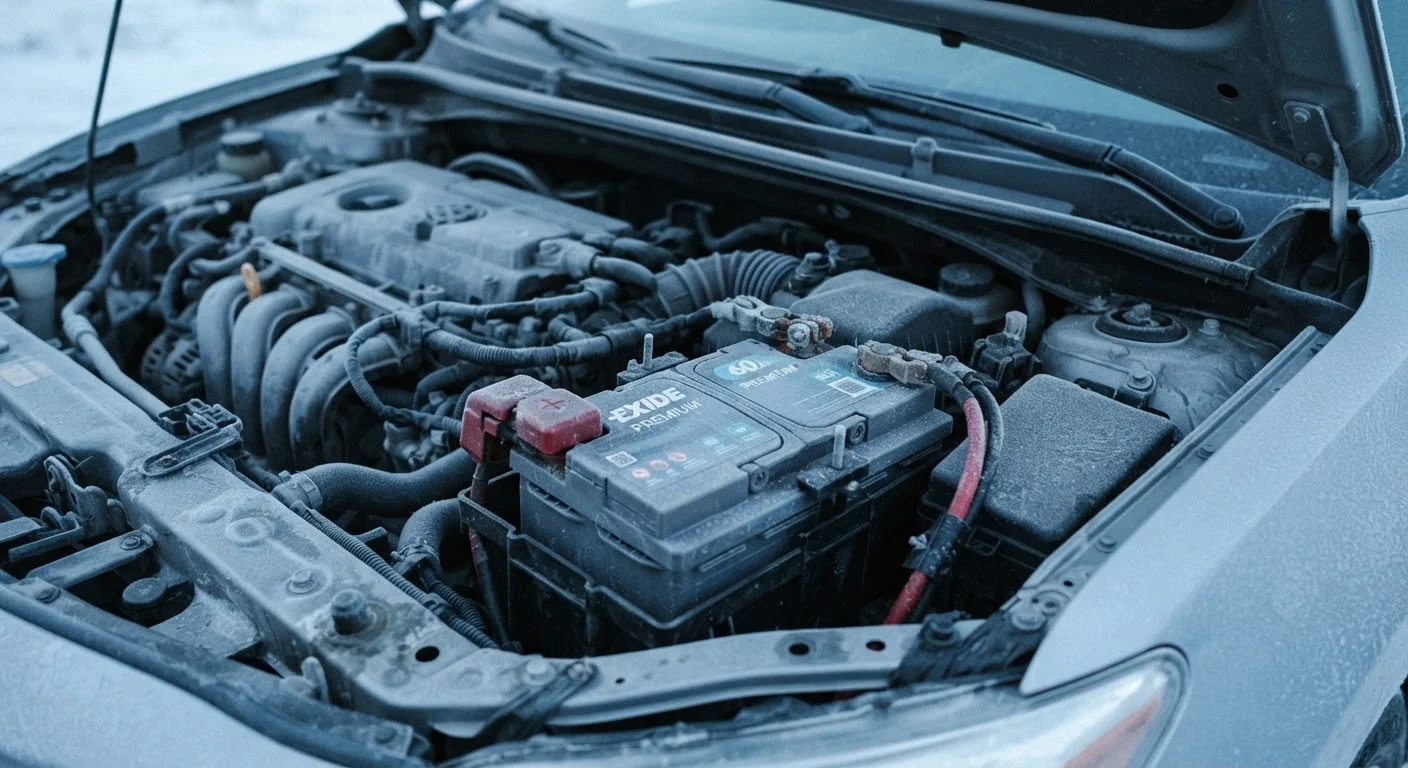
- Keep terminals clean. Corrosion on battery terminals adds electrical resistance and reduces performance. A look under the hood every few months takes seconds.
- Get it load tested. Most auto shops will perform a battery load test at little or no charge. A load test measures how much power a battery can actually deliver under demand - far more useful than just checking the voltage.
- Don't ignore warning signs. Slow cranking, flickering lights when idling, or a battery warning light are all worth addressing promptly. Waiting usually means getting stranded.
- Consider the timing. Having a battery tested before summer heat sets in - or before the first hard freeze - is better than waiting until it fails.
Temperature stress is unavoidable, but understanding it means you can get ahead of it instead of reacting to a breakdown.