
Why Your Communication Habits Matter Legally
Most renter disputes - over repairs, deposit returns, lease violations, or entry notice - ultimately come down to one question: what can you prove? Verbal agreements and casual conversations rarely hold up when a landlord's account conflicts with yours. The way you communicate, and whether you document it, can be the difference between recovering your security deposit and losing it entirely.
US landlord-tenant law varies significantly by state, but across virtually every jurisdiction, written records carry more weight than oral ones. Courts and housing agencies rely on documentation to establish timelines, demonstrate good faith, and verify whether required notices were given. Building good communication habits from day one of your tenancy means you're protected long before any problem arises. For a grounding in the legal landscape, see our state-by-state overview of tenant rights.
Quick Actions You Can Take Right Now
You don't need a dispute underway to start protecting yourself. These steps can be implemented immediately, regardless of where you are in your tenancy.
Keeping Records That Actually Hold Up
Not all documentation is equally useful. A vague text message saying "the heat is broken" is far weaker than a timestamped email that references your lease clause, describes the problem specifically, and requests a repair timeline. When creating records, clarity and specificity matter.
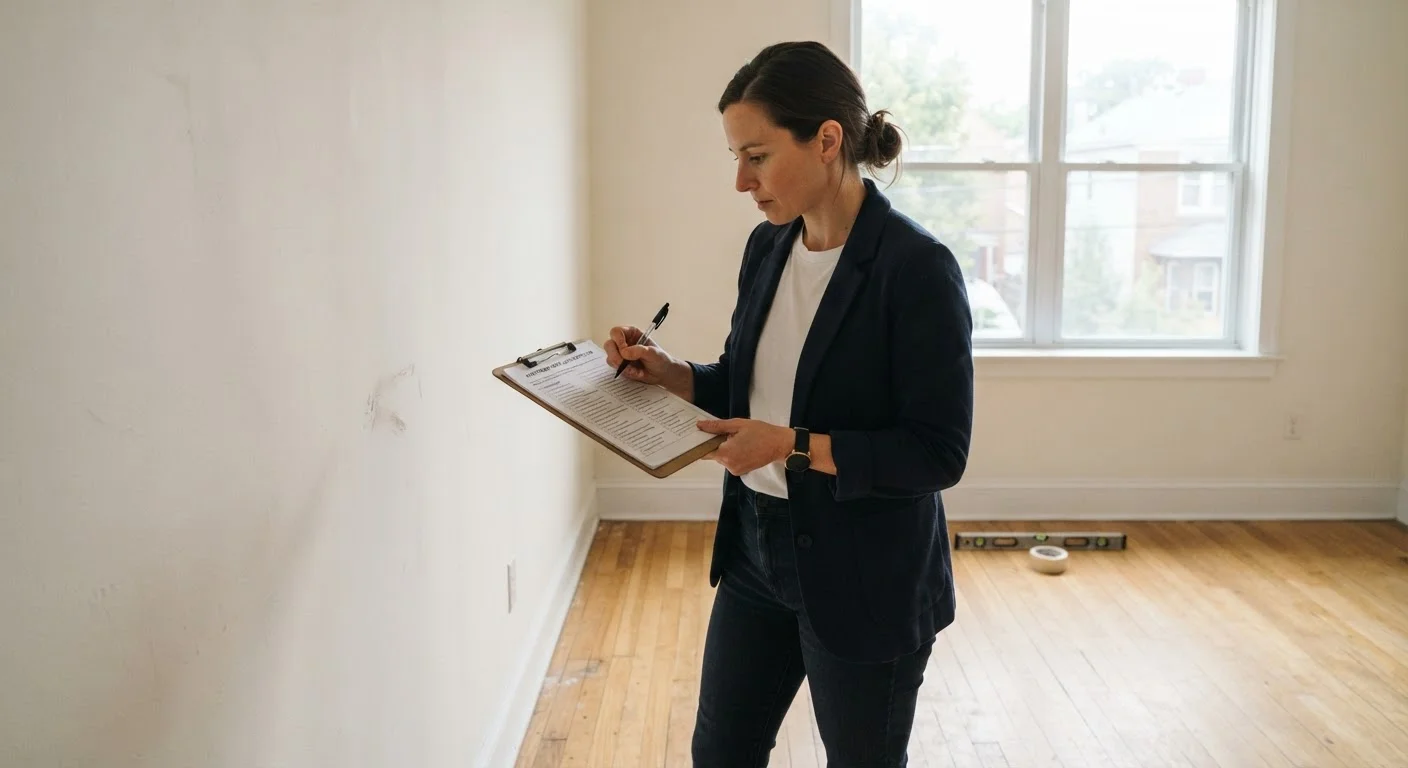
Photographs and videos with embedded timestamps are especially valuable for move-in and move-out conditions. If your landlord disputes a deposit deduction, a dated photo showing the apartment's state when you left is far more persuasive than a verbal claim. Our guide on what landlords can and cannot deduct from your deposit explains what counts as legitimate withholding. Also review security deposit rules every US renter should know for the broader legal framework.
Keep all records organized in a dedicated folder - digital or physical - that includes your lease, correspondence, move-in inspection reports, receipts for any payments, and any notices you receive. If a dispute arises months later, that folder becomes your evidence file.
Tone, Timing, and Knowing Your Rights
Effective landlord communication is as much about tone as it is about documentation. Hostile or accusatory messages, even when your frustration is justified, can complicate a dispute and undermine your credibility. A calm, factual message that references specific lease terms or legal obligations is more likely to prompt action - and looks far better if a third party ever reviews the exchange.
Timing matters too. Most states require tenants to provide written notice before exercising certain rights, such as withholding rent for habitability failures or breaking a lease early. Acting without proper notice - even for a legitimate reason - can expose you to legal risk. Review what your lease requires and what your state law mandates before taking any formal step. The lease clauses that catch renters off guard are worth revisiting here, particularly around notice periods and early termination. If you're navigating what your landlord is legally obligated to provide, our article on what landlords are legally required to provide covers habitability standards in detail.
This article provides general educational information about landlord-tenant communication. It is not legal advice. For guidance specific to your situation or jurisdiction, consult a qualified attorney or local tenant rights organization.