The Core Question: Risk, Regulation, and Reversibility
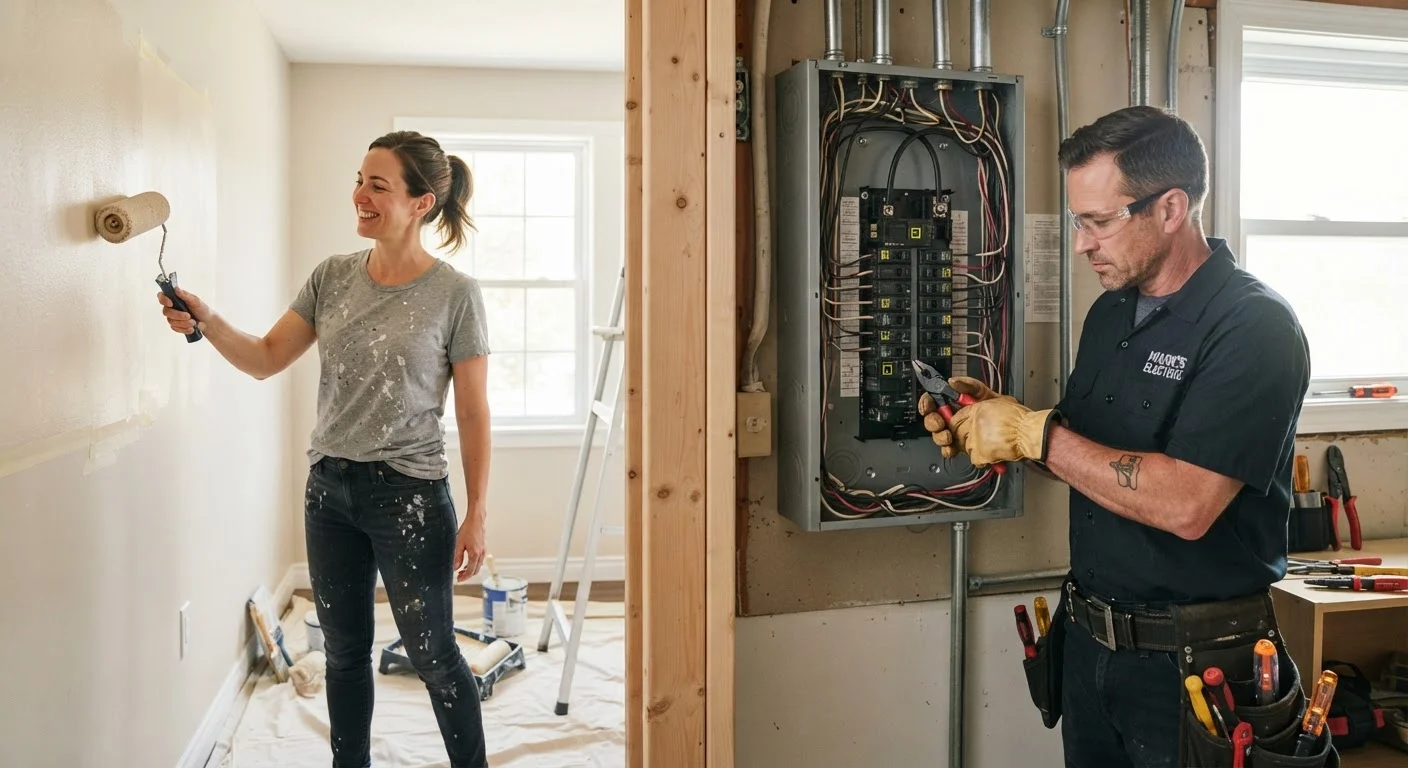
Every home repair decision comes down to three factors: how dangerous the work is if done incorrectly, whether local codes require a licensed trade to perform it, and how easily a mistake can be undone. Most jurisdictions across the US prohibit unlicensed individuals from performing electrical panel work, gas line connections, load-bearing structural alterations, and certain plumbing tie-ins - not as bureaucratic formality, but because errors in those systems can cause fires, explosions, flooding, or structural failure.
Cosmetic work - painting, trim installation, tile replacement in non-wet areas, cabinet hardware, landscaping - typically carries none of those risks and is well within reach for a careful, methodical homeowner. The difficulty arises in the middle ground: tasks that look straightforward but touch regulated systems. Replacing a light fixture, for example, may seem simple, but it involves live electrical circuits and, in many municipalities, requires a permit even when performed by a homeowner.
If you own an older property, that middle ground widens considerably. Older homes come with a distinct set of upkeep challenges, including outdated wiring, galvanized plumbing, and settling foundations that can turn a seemingly simple repair into a code-compliance issue.
What DIY Homeowners Can Realistically Handle
Confident DIYers can competently manage a wide range of maintenance and cosmetic tasks without professional help. These generally share three traits: they don't require permits, they don't involve core building systems, and a mistake is correctable without major expense.
- Painting and drywall patching (cosmetic, non-structural)
- Replacing faucet aerators, showerheads, and toilet flappers - low-pressure, fixture-level plumbing
- Caulking windows, tubs, and exterior gaps
- Installing or replacing light switches and outlets - only where local code permits homeowner work and the circuit is de-energized and verified dead
- HVAC filter replacement and basic maintenance
- Gutter cleaning and minor roof inspections (not structural repairs)
For a practical breakdown of plumbing upkeep, these plumbing maintenance tasks fall within reach of most homeowners and are a good starting point for understanding the DIY boundary in that trade.
Check Local Rules Before You Start
Permit requirements vary significantly by municipality. A task that is homeowner-legal in one county may require a licensed trade in the next. Always contact your local building or permitting department before beginning any project that touches electrical, plumbing, gas, or structural systems. A quick call can prevent costly corrections later.
When a Licensed Contractor Is Required - or Strongly Advisable
Certain categories of work are regulated precisely because the failure modes are catastrophic. Before starting any project, check with your local building department to confirm permit requirements. The following generally require a licensed contractor in most US jurisdictions:
- Electrical panel upgrades, new circuits, or service changes - fire risk and code requirements are strict nationwide
- Gas line installation, repair, or extension - leaks are immediately dangerous
- Structural work: removing or altering load-bearing walls, foundation repair, beam replacement
- Roofing replacement (not patching) - most jurisdictions require permits and licensed labor
- HVAC system installation or replacement
- Sewer line tie-ins and main water line work
Beyond legal requirements, there is a practical financial argument. Unpermitted work can complicate or void homeowner's insurance claims, and it must be disclosed during a home sale. A buyer's inspector will often flag it - which is one reason understanding what inspections cover matters. Home inspections and appraisals serve very different purposes, but both can surface unpermitted work that reduces your home's marketability.
Unpermitted Work Creates Real Legal Exposure
Work performed without required permits is not just a technical violation - it can affect your homeowner's insurance coverage, complicate or block a home sale, and leave you personally liable for injuries or damage resulting from the work. Many jurisdictions require disclosure of unpermitted improvements to buyers, and lenders may decline to finance a home with unresolved permit issues.
The Hidden Cost of Getting It Wrong
DIY projects that exceed a homeowner's skill level - or that bypass required permits - create compounding problems. Faulty electrical work is one of the leading causes of residential fires in the US. Improper plumbing connections can cause hidden water damage and mold. Structural modifications without engineering review can compromise the integrity of a home over years before any visible sign appears.
There is also a financial compounding effect. Putting off small repairs - or doing them incorrectly - can snowball into expensive structural damage. A botched DIY repair that masks an underlying issue often costs significantly more to remediate than the original professional repair would have.
The honest calculus: DIY saves money when the work is appropriate for it. It creates liability when it isn't. Knowing the difference is not about confidence - it's about understanding the regulatory and safety landscape for each specific type of work in your area.
| DIY | Licensed Contractor | |
|---|---|---|
| Typical cost | Lower upfront (materials only) | Higher upfront (labor + materials) |
| Permit requirement | Generally not required for cosmetic work | Required for most structural/mechanical work |
| Code compliance risk | Moderate to high for system-level work | Low - contractor is licensed and responsible |
| Insurance implications | Unpermitted work may void claims | Licensed work typically insurable |
| Suitable task types | Cosmetic, low-risk, fixture-level | Electrical, gas, structural, HVAC, roofing |
| Recourse if work fails | Homeowner bears full responsibility | Contractor liable; warranty may apply |