
The Core Difference: Movement Is the Deciding Factor
Both caulk and weatherstripping address the same underlying problem - unintended air gaps that let conditioned air escape and outdoor air infiltrate. But the method each uses to close those gaps is fundamentally different, and applying them interchangeably is a common maintenance mistake.
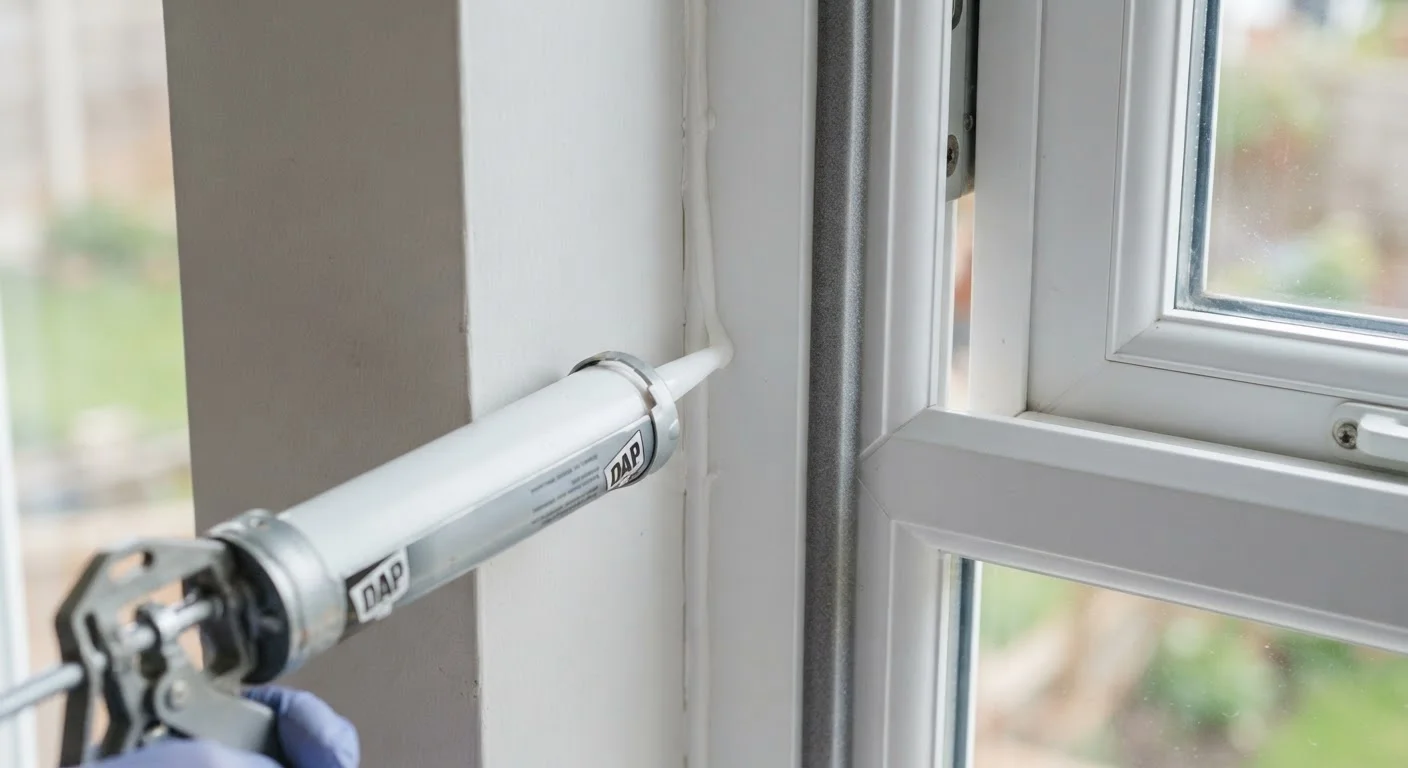
Caulk is a flexible sealant applied as a liquid or paste that cures into a semi-rigid bead. It bonds to two adjacent surfaces and holds them sealed. Because it cures in place, it cannot tolerate repeated physical movement. Apply it to a door stop or a window sash track, and it will crack within weeks.
Weatherstripping is a compressible strip - made from foam, felt, vinyl, rubber, or metal - installed along the edges of doors and windows so that when the door or window closes, it presses against the strip and creates a seal. It's engineered to be compressed and released thousands of times without losing its effectiveness.
The rule of thumb: if the surfaces on either side of the gap move relative to each other during normal use, weatherstripping is the right tool. If both surfaces are fixed and stationary, caulk is appropriate.
| Criterion | Caulk | Weatherstripping |
|---|---|---|
| Best application | Stationary, fixed joints | Moving edges (doors, windows) |
| Material form | Liquid/paste that cures rigid | Compressible strip or tape |
| Tolerates movement | No - cracks if surfaces move | Yes - designed for compression |
| Typical lifespan | 5-10+ years (properly applied) | 1-5 years depending on material |
| DIY difficulty | Low - caulk gun and smoothing | Low - cut to length, press in place |
| Common locations | Window frames, baseboards, sill plates | Door perimeters, operable windows |
Where Each Product Belongs in Your Home
Walking through a home with this framework in mind makes product selection straightforward.
Caulk is appropriate for:
- The joint between a window or door frame and the surrounding wall (exterior and interior)
- Gaps between baseboards, crown molding, and wall surfaces
- Where pipes, conduits, or wiring penetrate walls or ceilings
- Along the sill plate where the home's framing meets the foundation
- Bathroom and kitchen tile seams (using appropriate silicone or sanded caulk)
Weatherstripping is appropriate for:
- The perimeter of exterior doors - both the door stop and the door bottom
- The edges of operable windows (casement, double-hung, or sliding)
- Attic access hatches that are opened periodically
- Garage doors (dedicated door-bottom and side seals are a form of weatherstripping)
Up to 30%
Home energy lost to air leaks
The U.S. Department of Energy estimates that air leaks can account for up to 30% of a home's heating and cooling energy loss.
$0.10-$0.75
Cost per linear foot of weatherstripping
Weatherstripping materials vary widely; foam tape sits at the low end while door sweeps and V-strip cost more but last longer.
Many homeowners find that a thorough energy audit of their home calls for caulk in dozens of locations and weatherstripping on every exterior door and operable window - both products working in tandem rather than competing with each other.
Choosing the Right Type of Each Product
Not all caulk and not all weatherstripping are the same. Within each category, material matters.
Caulk types at a glance
Latex (acrylic) caulk is the most common interior option. It cleans up with water, accepts paint, and is easy to tool. It isn't ideal for wet environments or large gaps. Silicone caulk is more durable, fully waterproof, and handles temperature extremes well - making it better for exterior joints and wet areas. It cannot be painted, however. Siliconized latex blends both properties and is a practical choice for many exterior window and door frame joints.
Weatherstripping types at a glance
Foam tape (open- or closed-cell) is inexpensive and easy to install but wears quickly on high-traffic doors. V-strip (tension seal) is a durable folded plastic or metal strip that fits inside door and window channels - a good long-term choice. Door sweeps attach to the bottom of an exterior door and seal the gap at the threshold. Felt strips are low-cost but absorb moisture over time and degrade faster than vinyl or rubber alternatives.
When to Inspect and Replace Both
A useful habit is to check caulk and weatherstripping every fall before heating season. Look for caulk that has shrunk, cracked, or pulled away from the surface, and weatherstripping that is flattened, torn, or no longer creates a snug seal when a door closes. Both products are straightforward maintenance items that most homeowners can replace without professional help, though larger air-sealing projects - such as sealing a crawl space or rim joists - may benefit from a licensed energy auditor or contractor.